
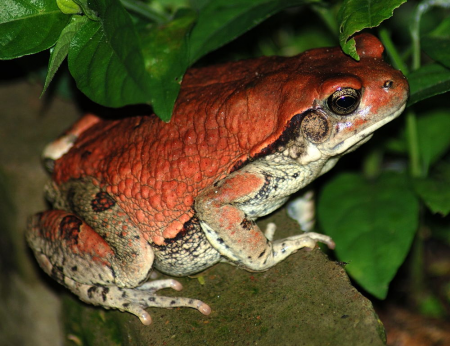
SCHISMADERMA CARENS TOAD VENOM
The natural world is filled with fascinating creatures, some of which possess remarkable adaptations for survival. One such creature is the Schismaderma carens toad, known not just for its unique appearance but also for its venomous secrets. Understanding the details surrounding Schismaderma carens toad venom not only sheds light on this intriguing amphibian but also opens the door to potential medicinal applications.
Introduction to Schismaderma Carens
The Schismaderma carens, often referred to as the Brazilian toad, is a striking amphibian found in the tropical regions of South America. With its smooth, often brightly colored skin, this toad is a visual spectacle. However, it is the venom produced by this species that captures the attention of scientists and researchers alike. This venom serves as both a defense mechanism against predators and a source of bioactive compounds that may hold medicinal value.
Understanding Toad Venom
Toad venom, including that of Schismaderma carens, is a complex cocktail of various compounds. These compounds include peptides, alkaloids, and proteins, each playing a distinct role in the venom’s function. The primary purpose of the venom is to deter predators and can cause a range of physiological effects in other animals. For humans, certain components of this venom have shown promise in therapeutic contexts, making it a subject of interest in biochemical research.
The Composition of Schismaderma Carens Toad Venom
The venom of the Schismaderma carens toad is particularly rich in bioactive molecules. Among these, bufotenin, a potent tryptamine, is one of the most notable. Bufotenin has psychoactive properties and has been studied for its potential in treating various mental health disorders. The venom also contains other peptides that exhibit antimicrobial and anti-inflammatory properties, making it a promising candidate in pharmaceutical development.
Potential Medical Applications
The applications of Schismaderma carens toad venom stretch beyond mere curiosity; they tap into profound medical possibilities. Research into its components has revealed the potential for developing new treatments for conditions like pain, inflammation, and even certain types of cancer. For example, the anti-inflammatory properties of specific peptides could lead to novel approaches to managing chronic inflammatory diseases.
Additionally, the psychoactive properties of bufotenin are being explored for their potential to contribute to mental health therapies. As the stigma around psychedelic substances decreases and research expands, the application of toad venom in this context may offer groundbreaking options for treatments.
Ecological Importance of the Schismaderma Carens
Beyond their venom, Schismaderma carens toads play a crucial role in their ecosystems. As both predator and prey, these toads help maintain the balance within their habitats. They primarily feed on insects and other small invertebrates, controlling populations and contributing to the food chain. Moreover, they are excellent indicators of environmental health. Declines in their populations can signal changes or degradation in their habitats, serving as a vital piece in the larger ecological puzzle.
Conservation of Schismaderma Carens
Unfortunately, like many amphibians, the Schismaderma carens is facing threats from habitat loss, pollution, and climate change. Conservation efforts are critical for preserving this species and its unique biological contributions. Habitat preservation, pollution control, and awareness campaigns are vital to ensuring that future generations can study and benefit from the potential of Schismaderma carens toad venom.
Conclusion: The Future of Schismaderma Carens Toad Venom Research
The study of Schismaderma carens toad venom offers thrilling prospects for science and medicine. As researchers continue to delve into its chemical composition and biological effects, we may uncover solutions to some of today’s most pressing health challenges. Protecting this fascinating amphibian and its habitat is essential not just for biodiversity but also for the promising future of medical research fueled by nature’s innovations. The Schismaderma carens toad reminds us of the untapped potential lurking in the natural world, waiting for us to explore and understand its many wonders.




Reviews
There are no reviews yet.